
Top USCIS Forms Your Green Card Lawyer Files on Your Behalf
By: Brian Richards | October 3, 2026
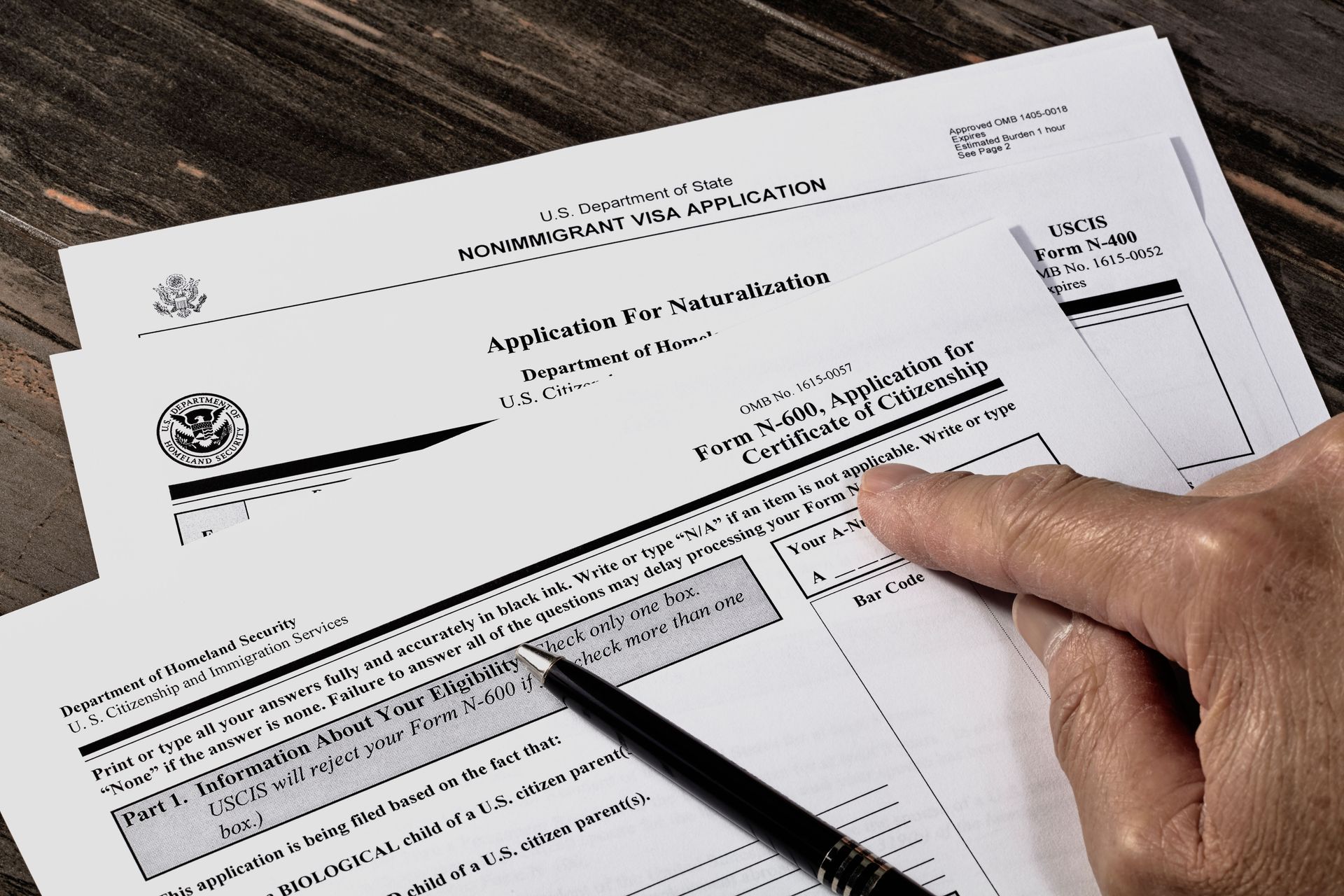
Applying for permanent residence in the United States involves more than completing a single application. Depending on your immigration category and circumstances, several U.S. Citizenship and Immigration Services (USCIS) forms may be necessary throughout the process. Each form has a specific purpose, and providing accurate information can help prevent unnecessary complications. Immigration paperwork can also involve detailed questions about family relationships, employment history, previous immigration activity, and personal circumstances. Working with green card attorneys can help applicants understand which forms apply to their cases and what supporting documentation may be required. An attorney can also help organize information so that forms are completed consistently from one stage of the process to another. Understanding the purpose of common USCIS forms can make the overall process easier to follow. The following forms are among those that may be involved in different green card cases.
Establish Family Relationships With Form I-130
Form I-130, Petition for Alien Relative, is commonly used in family-based immigration cases. A U.S. citizen or lawful permanent resident may file this petition for certain qualifying relatives. The purpose of the petition is to establish the qualifying family relationship with the relative seeking immigration benefits. According to U.S. Citizenship and Immigration Services, Form I-130 allows U.S. citizens and lawful permanent residents to establish qualifying relationships with certain relatives who seek to immigrate to the United States. This petition does not, by itself, grant the beneficiary a green card or lawful permanent resident status. Instead, an approved petition can establish an important part of the family-based immigration process. Depending on the circumstances, the beneficiary may later pursue an immigrant visa through consular processing or apply for adjustment of status in the United States. Green card attorneys can help determine whether the relationship qualifies and identify documentation that can support the petition.
Apply for Permanent Residence With Form I-485
Form I-485, Application to Register Permanent Residence or Adjust Status, is used by eligible individuals who are applying for permanent resident status from within the United States. The form is commonly associated with the adjustment-of-status process. Applicants may use it when they are eligible to seek a green card without completing the immigrant visa process through a U.S. consulate abroad. The appropriate eligibility requirements depend on the applicant's immigration category and individual circumstances. Completing Form I-485 requires detailed information about the applicant, including immigration history, personal background, and other information requested by USCIS. Supporting documents and other required materials generally accompany the application. In some situations, applicants may also submit other applications at the same time, depending on their eligibility and immigration needs. Green card attorneys can review the circumstances surrounding an adjustment-of-status application and help determine how the required paperwork fits together.
Request Work Authorization With Form I-765
Form I-765, Application for Employment Authorization, is used by eligible individuals to request permission to work in the United States. The application may be relevant to certain people who have pending immigration applications or who qualify for employment authorization under another immigration category. USCIS may issue an Employment Authorization Document, commonly called an EAD, to an approved applicant. The document provides evidence of employment authorization for the period and category specified by USCIS. Eligibility for an EAD depends on the applicant's particular immigration situation, so not every person pursuing a green card will qualify for employment authorization through the same process. Applicants should also pay attention to renewal requirements and the validity period shown on their employment authorization documents. Filing the correct application and selecting the appropriate eligibility category are important parts of requesting an EAD. Green card attorneys can help applicants determine whether Form I-765 may be appropriate as part of their broader immigration process.
Request Advance Parole With Form I-131
Form I-131, Application for Travel Documents, Passport, and Parole Documents, can be used for several immigration-related travel and document requests. Certain applicants with pending adjustment-of-status cases may use the form to request advance parole before traveling outside the United States. Advance parole can allow an eligible person to seek permission to return to the United States after temporary travel abroad. However, obtaining an advance parole document does not automatically guarantee admission into the country. Travel can also create immigration consequences depending on an individual's status, history, and other circumstances. Applicants should therefore consider their specific situation before making international travel plans while an immigration application is pending. The appropriate request and supporting evidence depend on the type of travel document or parole benefit being sought. Green card attorneys can explain how Form I-131 may relate to an applicant's immigration case and help address potential concerns before the application is submitted.
Provide Additional Evidence With USCIS Forms
USCIS forms generally require supporting documentation that demonstrates eligibility for the requested immigration benefit. The evidence needed can vary considerably depending on whether the case is based on a family relationship, employment, humanitarian circumstances, or another qualifying category. Documents may include identity records, civil documents, immigration records, financial information, photographs, or evidence supporting a qualifying relationship. Applicants must also make sure that information provided on different forms is accurate and consistent. Differences between forms or missing documentation can lead to requests for additional evidence or other processing issues. Careful organization can make it easier to identify which documents correspond to each form and eligibility requirement. Applicants should also follow USCIS instructions concerning translations, copies, signatures, fees, and other filing requirements. When multiple forms are part of one immigration case, green card attorneys can help coordinate the paperwork so that the filings present a consistent and complete application.
Coordinate Forms Throughout the Immigration Process
USCIS forms are often connected to different stages of an immigration case rather than functioning as completely separate applications. For example, a family-based case may involve a petition establishing a qualifying relationship before the beneficiary moves forward with the next stage of the green card process. An eligible applicant may also submit an employment authorization request while an adjustment-of-status application is pending. Travel documentation may become relevant when an applicant needs to leave the United States during a pending case. The forms required can therefore depend on factors such as immigration category, location, current status, and the applicant's goals. Changes in circumstances can also affect which forms should be filed or whether a person remains eligible for a particular benefit. Reviewing the complete case rather than looking at one form in isolation can help applicants better understand how each filing fits into the overall process. Green card attorneys can evaluate the different requirements and help applicants determine how the necessary USCIS forms should be coordinated.
Review Forms Before Submitting Applications
Accuracy is an important consideration when preparing any USCIS filing because applications contain detailed information that becomes part of an immigration record. Applicants should carefully review names, dates, addresses, immigration history, family information, and other requested details before submitting their forms. Supporting documentation should also correspond with the information reported in the application. Missing signatures, incorrect fees, incomplete responses, or omitted evidence can create avoidable filing problems. Applicants should use the current USCIS form edition and follow the agency's filing instructions for the specific application. Because immigration circumstances differ from person to person, a form that is appropriate for one applicant may not be appropriate for another. Professional legal guidance can be particularly useful when an applicant has a complicated immigration history, multiple applications, or questions about eligibility. Green card attorneys can review completed paperwork and supporting materials before filing to help identify potential issues that may need attention.
Choosing the appropriate USCIS forms is an important part of pursuing permanent residence in the United States. Family-based applicants may need to establish a qualifying relationship, while others may need to address adjustment of status, employment authorization, travel documents, or other immigration matters. Each form has its own purpose, eligibility requirements, instructions, and supporting evidence. Understanding these differences can help applicants approach the process with greater clarity. Immigration cases can also involve circumstances that are not addressed by simply completing a form and mailing it to USCIS. A careful review of the entire case can help identify which applications may be relevant and how they fit together.
The Law Office of Brian T. Richards can assist individuals who need legal guidance with their immigration paperwork and green card process. Contact us to discuss your circumstances and learn how legal assistance may help with preparing and filing the appropriate USCIS forms.







Share On: